NVIDIA GeForce RTX 5090 vs NVIDIA GeForce RTX 4070 Ti SUPER
Head-to-head comparison: specs, benchmarks, ray tracing, and value. Which is right for your build?
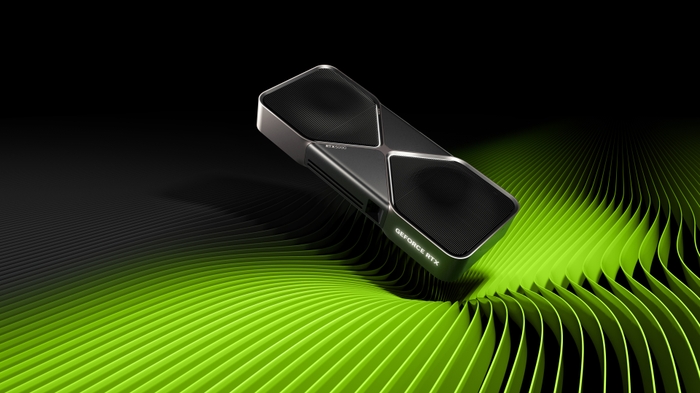
NVIDIA GeForce RTX 5090
The undisputed king of consumer GPUs. The RTX 5090 delivers untouchable 4K performance, dominates ray tracing with 4th-gen RT cores, and runs DLSS 4 with multi-frame generation. With 32GB of GDDR7, it's also a beast for AI and content creation workloads. The catch: $1999 MSRP, 575W TDP, and you'll need a 1000W PSU minimum.
Buy on Amazon →
NVIDIA GeForce RTX 4070 Ti SUPER
The 4070 Ti SUPER addressed the original 4070 Ti's main weakness — only 12GB of VRAM — by jumping to 16GB on a 256-bit bus. Excellent for 1440p and capable at 4K with DLSS.
Buy on Amazon →Spec Comparison
| Spec | NVIDIA GeForce RTX 5090 | NVIDIA GeForce RTX 4070 Ti SUPER |
|---|---|---|
| Price (MSRP) | $1,999 | $799 |
| VRAM | 32GB GDDR7 | 16GB GDDR6X |
| Memory Bus | 512-bit | 256-bit |
| Memory Bandwidth | 1792 GB/s | 672 GB/s |
| CUDA / Stream Cores | 21,760 | 8,448 |
| Boost Clock | 2407 MHz | 2610 MHz |
| Ray Tracing Cores | 170 | 66 |
| TDP | 575W | 285W |
| 3DMark Time Spy | 41,500 | 22,400 |
| Rasterization Score | 100/100 | 62/100 |
| Ray Tracing Score | 100/100 | 60/100 |
| Value Score | 62/100 | 79/100 |
The Verdict
Based on raw performance, ray tracing capability, and value, the NVIDIA GeForce RTX 5090 comes out ahead in this comparison. That said, the right pick depends on your budget, target resolution, and whether you care more about ray tracing, rasterization, or VRAM capacity. Both cards have their place — read the individual reviews for the full breakdown.